Dark Web: Myths, Reality, and What You Should Know
- Himanshu Letsdiskuss
- Feb 17
- 4 min read

The Dark Web is often described as a dangerous digital underground where criminals operate freely and hacking happens instantly. Popular culture exaggerates its dangers, but the Dark Web is not a secret fantasy world. It is simply a hidden section of the internet that is not indexed by traditional search engines. While illegal activity does exist, the Dark Web also supports privacy tools, secure communication, and protection for individuals who need strong Internet Privacy.
To understand the Dark Web, it helps to first look at the structure of the internet itself.
The Layers of the Internet
The internet can be divided into three main layers.
Surface Web: This is the portion most people use daily — search engines, online shopping platforms, streaming services, and social media. It is indexed and easy to access. However, activity on the surface web is heavily tracked, which raises concerns about Internet Privacy and data collection.
Deep Web: The deep web includes password-protected content such as online banking, medical records, email accounts, and corporate databases. It is not illegal or hidden for secrecy. It is simply private information protected by login credentials.
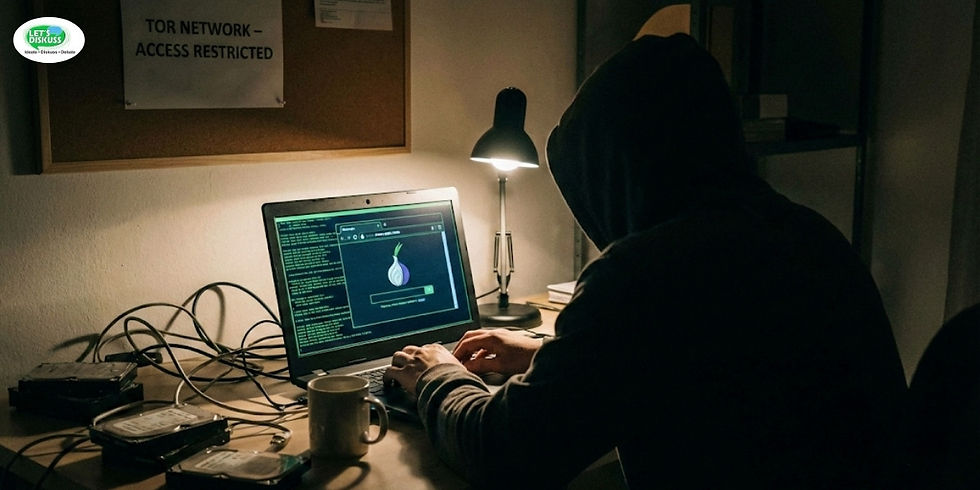
Dark Web: The Dark Web is intentionally hidden and requires special software like the Tor Browser to access. Websites typically use “.onion” domains instead of traditional extensions. These addresses cannot be found through standard search engines. The Dark Web is designed to support Online Anonymity, allowing users to communicate and browse without revealing their location easily.
How the Dark Web Works
The Dark Web operates primarily through a system called Onion Routing. When someone connects using the Tor Browser, their data is encrypted in multiple layers and passed through several servers worldwide. Each server removes one encryption layer before passing the data along, making it difficult to trace the original source.
This method of Onion Routing strengthens Online Anonymity and limits direct tracking. However, because traffic is routed through multiple relays, browsing can be slower than on the surface web.
Although the Dark Web emphasizes privacy, it does not provide absolute invisibility. Mistakes, poor security habits, or investigative efforts can still expose users. The system improves Internet Privacy, but it does not eliminate all Cybersecurity Risks.
Common Myths About the Dark Web
There are several myths about the Dark Web that create unnecessary fear.
Myth 1: Only criminals use the Dark Web. While illegal marketplaces exist, many users are journalists, activists, and researchers who rely on Online Anonymity for protection.
Myth 2: Everything on the Dark Web is illegal. Not all content is criminal. Some organizations host secure versions of their websites to protect users in countries with heavy censorship, supporting Internet Privacy.
Myth 3: You will be hacked instantly. Simply visiting the Dark Web does not automatically lead to hacking. Cybersecurity Risks increase mainly when users download suspicious files or share personal information.
Myth 4: It is impossible to trace anyone. Law enforcement agencies have shut down major illegal platforms in the past. The Dark Web offers strong privacy through Onion Routing, but it is not flawless.
Understanding these myths helps create a more balanced view of the Dark Web.
Who Uses the Dark Web?
The Dark Web attracts different types of users for different reasons.
Journalists and Whistleblowers
In regions where online activity is monitored, the Dark Web provides a safer communication channel. Tools powered by Onion Routing allow confidential reporting and support Online Anonymity.
Privacy-Focused Individuals
Some users access the Dark Web simply to enhance Internet Privacy. In a digital world filled with tracking systems, the Tor Browser offers a way to browse with reduced profiling.
Cybersecurity Professionals
Security experts monitor the Dark Web to detect stolen credentials and leaked data. By identifying threats early, organizations can reduce Cybersecurity Risks and respond before serious damage occurs.
Criminal Activity
Yes, illegal goods and services exist on the Dark Web. However, this represents only one portion of the network. Authorities actively monitor suspicious activity, and many illegal marketplaces have been dismantled.
Cybersecurity Risks of the Dark Web
Despite its benefits for Internet Privacy, the Dark Web carries serious Cybersecurity Risks.
Scams
Because many transactions use cryptocurrency, scams are common. There is no customer support system to recover lost funds.
Malware
Downloading files from unknown sources can infect devices with malicious software. These infections can steal personal information or compromise entire networks.
Legal Consequences
Participating in illegal transactions on the Dark Web can lead to severe penalties. Even though Onion Routing enhances Online Anonymity, investigations can still uncover digital evidence.
Exposure to Harmful Content
Some areas of the Dark Web contain disturbing or illegal material. Accidentally accessing such content can have emotional and legal consequences.
The key factor is behavior. The Dark Web itself is a tool, but how it is used determines the level of risk.
Dark Web and the Debate on Internet Privacy
The Dark Web highlights the ongoing debate between security and Internet Privacy. Supporters argue that tools like the Tor Browser and Onion Routing are essential for protecting Online Anonymity and freedom of expression. Critics argue that the same tools can shield illegal behavior.
Both views have valid points. The Dark Web demonstrates how technology can serve both ethical and harmful purposes. In restrictive environments, it helps individuals bypass censorship. In criminal contexts, it can enable hidden activity.
Understanding the Dark Web requires recognizing this balance rather than focusing only on extremes.
Conclusion
The Dark Web is neither a digital villain nor a perfect privacy solution. It is a network designed around Online Anonymity and supported by technologies like the Tor Browser and Onion Routing. While it strengthens Internet Privacy, it also presents significant Cybersecurity Risks.
Accessing the Dark Web is not automatically illegal in most regions, but actions taken there can have serious consequences. The most important defense is knowledge. By understanding how the Dark Web works, individuals can make informed decisions about privacy, security, and responsible internet use.


Comments